When singer-songwriter Greg Kihn died last week, a friend of mine asked me who he was. As I have gotten older, I have gotten used to no longer sharing the same cultural references and touchpoints with my social circle, especially with those members (such as the friend in question) who are younger than me. Still, I had never fielded a question about Greg Kihn before. People from my generation always just seemed to know him. And yet, after I briefly told my friend who he was, I found myself thinking: Who was Greg Kihn?
It turned out I needed a refresher myself.
First and foremost, he was on heavy rotation in the early days of MTV. The video for his 1983 single “Jeopardy” was a defining one for the dawn of the MTV era, and it probably helped propel the song to its peak position of No. 2 on the Billboard Hot 100. Watching it now is a trip. It is gloriously low-fi and cheesy, and full of no holds barred brio, the kind of video that people made before anyone had a formula for them.
Kihn’s position in the early video era pantheon was elevated further when “Weird Al” Yankovic spoofed him in 1984 with “I Lost on Jeopardy.” Back in the day, you knew you had made it when “Weird Al” lampooned you, so that is how big Kihn and “Jeopardy” were at the time. And, unlike most other artists who got the “Weird Al” treatment, Kihn played along publicly and appeared in the video for “I Lost on Jeopardy” (look for him in the convertible at the end).
Kihn was not precious about getting a gentle widespread ribbing, either. Here’s what he had to say about “Weird Al” sending him up: “I loved his version of ‘I Lost on Jeopardy’…It was a brilliant parody. Al is a super talented musician. He invited me to appear in his video and I had a ball. God bless that man! I still get mailbox money from ‘Weird Al!’”
Then, there was Kihn’s first real hit, “The Breakup Song (They Don’t Write ‘Em),” which peaked at No. 15 on the Hot 100, and became a well-deserved mainstay of FM radio. This is the best example of Kihn’s revved up power pop. It moves, it is catchy, and still sounds timeless today.
There were other highlights for Kihn beyond the ones that were well-known. A closer look at his discography reveals how strong a cover artist he was. His second album, Greg Kihn Again, features a terrific jangly cover of “For You,” one of Bruce Springsteen’s earliest songs. Apparently, Bruce liked that cover so much that he offered Kihn one of his cast-offs from the Darkness on the Edge of Townsessions, a song called “Rendezvous” that eventually became a part of Bruce’s live show. But, for several decades, the only official recorded version of this song belonged to Kihn (which showed up on his fourth album, With the Naked Eye, and is really good, by the way). So, you know, he was formally endorsed by The Boss.
Kihn did not just put his stamp on Bruce’s songs. Throughout his discography, he displayed a willingness to try out some really famous tunes. There is his surprisingly confident cover of the country music classic “I Fall to Pieces,” originally made famous by Patsy Cline, his delightful take on Jackie Wilson’s “(Your Love Keeps Lifting Me) Higher and Higher” (under the abbreviated title “Higher and Higher”), and his exuberant version of “Roadrunner” by Jonathan Richman (Kihn’s labelmate on the Bay Area indie label, Beserkley). Did I also mention that all of these show us what good taste Kihn had? Not only did he have the courage to cover some heavyweights, but he had the chops to make these his own, as well.
So, let us review: early MTV pioneer, famous enough to be spoofed by “Weird Al,” writer of catchy power pop, expert interpreter of the popular canon, and recipient of the Springsteen seal of approval. That is who Greg Kihn was, and that is more than most musicians of his ilk can say. It was fun to revisit his music this past week, especially his originals, because it turns out that old saying is true: they just do not write them like that anymore.
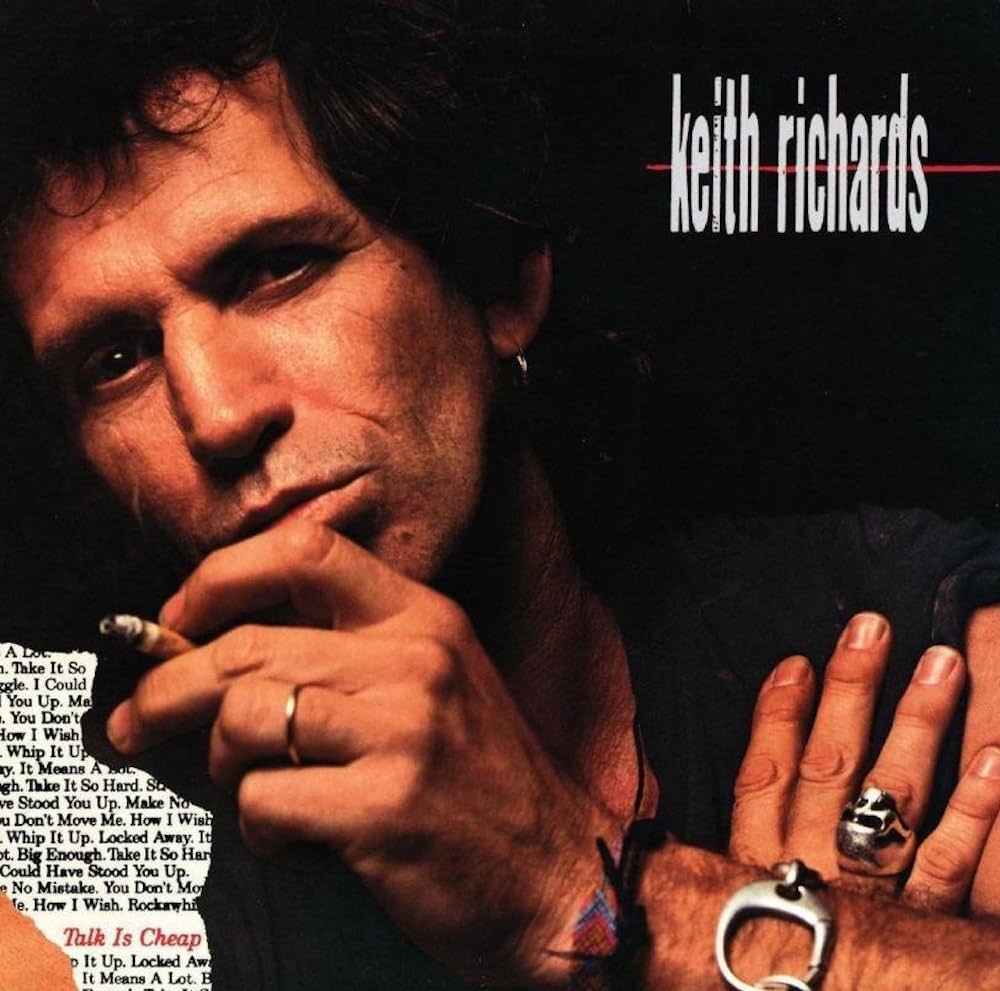
The funny thing, of course, is that Keith would never have done this record in the first place if he had his way.
Hard as it may be to believe now, there was a period there in the mid-to-late 80s where it looked like The Rolling Stones might break up for good. The reasons why have been well-documented over the years, but the short version is that Mick and Keith were not getting on because of their divergent views on the direction of the band. Mick wanted to chase trends to stay relevant in the MTV era; Keith wanted to stay true to the Stones’ roots. But, Mick was also maybe a little bored with the band, and wanted to try his hand at going solo. For Keith, that idea was anathema. The band comes first, or there is no band. When Mick chose to focus on his solo career instead of doing a Stones tour to support their Dirty Work album in 1986, Keith followed suit, and the future of the band seemed to be in jeopardy.
But, out of that discord came a terrific album that gave Keith a much-needed shot in the arm, and highlighted all of his strengths.
To start, Talk is Cheap is a total groove record. All of the songs lock into a groove that is hypnotic, organic, and fun. You can bob your head, stomp your leg, and sway your hips to these tunes. Keith’s love of R&B and the blues is evident here, and It is easy to imagine many of these tracks coming out of a jam session and being honed from there.
This record also rocks and rolls, as befits a core member of the Stones. Which is to say that Talk is Cheap is more rootsy (and, dare I say, more relevant) than anything the Stones released that entire decade. Don’t get me wrong: the 80s gave us at least one classic Stones album (Tattoo You), one underrated sleeper (Undercover), and one massively overrated record from them (Steel Wheels). But, what all of those efforts have in common is an aggressive professionalism that gives one the impression that the band may have focused more on staying busy than making sure their fans had something fun to listen to. That’s where Talk is Cheap triumphs: it is fun. It sounds looser and boozier than the Stones had sounded in a while – and, it also sounds like Keith is actually enjoying himself. Is it any wonder, then, that Stones fans treated this one like a drink of water after being lost in the desert upon first hearing it?
Also: can we talk about Keith’s band for a minute? He did not just hire a bunch of random session players for a one-off job. Instead, he recruited an all-star team of the best musicians in the business (appropriately named The X-Pensive Winos, by the way), and they became his official band for all of his subsequent solo albums. Led by Keith’s co-producer and second-in-command, drummer Steve Jordan, the Winos features Sarah Dash on backing vocals (she was one-third of the legendary funk/soul group Labelle), multi-instrumentalist Charley Drayton, keyboardist Ivan Neville, saxophonist Bobby Keys (a core member of the Stones touring band for many years), and guitarist Waddy Wachtel, and they have instant, undeniable chemistry throughout Talk is Cheap. Keith’s shaggier, relaxed approach suits them perfectly, and they take to it like…well, like a unit that had already been playing together as long as the Stones had. Throw in a couple of musical guest spots by folks like Chuck Berry’s longtime piano player, Johnnie Johnson, and Parliament-Funkadelic alums Bootsy Collins, Maceo Parker, and Bernie Worrell, and you get an idea of what Keith is up to here.
As for the songs themselves, it is not a surprise that they sound a lot like the Stones. What is surprising is how different they are from the Stones because Mick is not involved. Keith co-wrote everything on Talk is Cheap with Steve Jordan, and having a new (and younger) writing partner results in an album that, in my view, sounds like what the Stones would be if Keith were totally in charge. There are jagged uptempo numbers like “Take it So Hard” (the lead single), “How I Wish,” and “Whip it Up.” There is the obligatory Chuck Berry homage, “I Could Have Stood You Up.” There are mid-tempo shufflers like “Rockawhile.” And there is a surprisingly catchy ballad, “Locked Away.” Most notably, there is Keith’s snide takedown of Mick, “You Don’t Move Me,” which features bon mots like “Why do you think you got no friends / You drove them around the bend.” In all, Talk is Cheap runs a wider gamut of emotional colors than the Stones typically do. It is defiant, bitchy, breezy, vulnerable, and warm. Those last two really stand out here because no one would ever accuse the Stones albums of the ‘80s of being either vulnerable or warm.
Mick’s solo debut may have sold better than Keith’s did (She’s the Boss went Platinum; Talk is Cheap went Gold), but Keith won the PR war. He made people interested in the Stones again because he reminded them that someone in that band could still make an album as good as Talk is Cheap. For a guy who had always put the band first, Keith showed Mick how to do a proper solo album.
The rest was history. Within a year, Keith and Mick resolved their differences, and the Stones released Steel Wheels, which was hailed as a major return to form and completed their transformation into fine purveyors of polished corporate dad rock. But, by then, we all knew the truth. Mick is the savvy CFO of the band, with a sharp eye for their public image. Keith, on the other hand, is the heart and soul of the Rolling Stones. Talk is Cheap proved that.
This blog has been in hibernation for most of the pandemic and now it’s time to finally rouse it from its virtual slumber. And, what better way to do so than by highlighting a few of the ways I passed the time during the pandemic. Like many other people, I read a lot of books, watched a lot of movies, listened to a lot of music, and did just about anything else I could to distract myself from the terrifying uncertainty created by the collision of a global health crisis and a rancorous election year. Let us never again repeat that particular convergence of events, shall we?
But, more than just numbing myself with all types of media and entertainment, I used the pandemic to get cozy once again with some old favorites, and find solace again in art and artists that I love. That was the best way for me to cope with a world that seemed increasingly close to turning into the Upside Down. For the most part it worked, and now I present the results of all the field research I did from home these past four years.
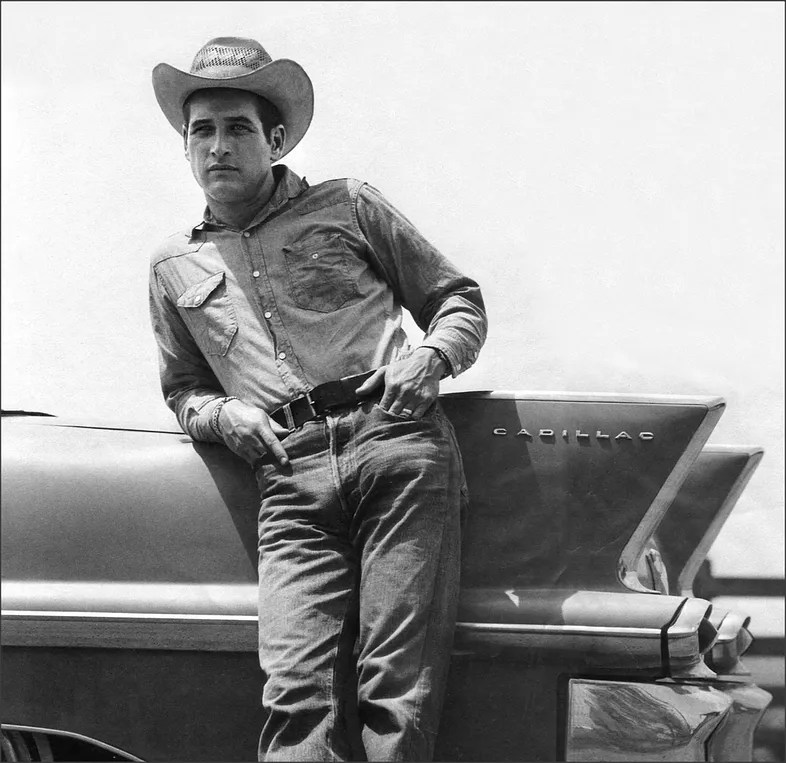
Paul Newman: one of my favorite actors, and his performance in this gets my vote as the best of his early career. But also, Hud became my movie obsession during the pandemic. There was a moment or two where I was convinced that it could explain everything about the social-political-cultural moment we, as a society, found ourselves in during the previous presidential administration. No doubt I went a little crazy over this, but what else was I going to do while sitting at home contemplating orange skies? Also, I don’t think I was completely off base. I have a lot to say about this movie, and I may yet say it all in a future post. For now, it’s worth mentioning that I’m not the only person who was struck by this movie in a similar fashion during the pandemic. Also worth saying: Hud is a master class in film direction (thank you, Martin Ritt) that is anchored by a trio of outstanding performances from Newman, Patricia Neal, and Melvyn Douglas. If you watch it only for those reasons, you will not be disappointed.
Reference Books
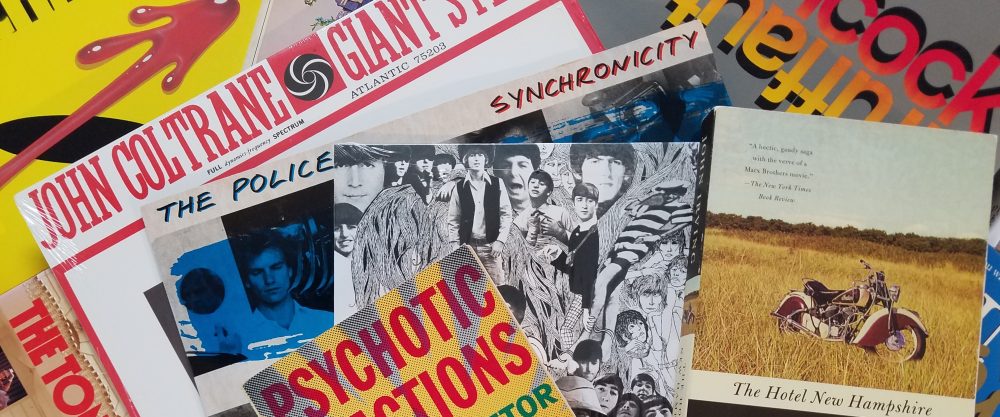
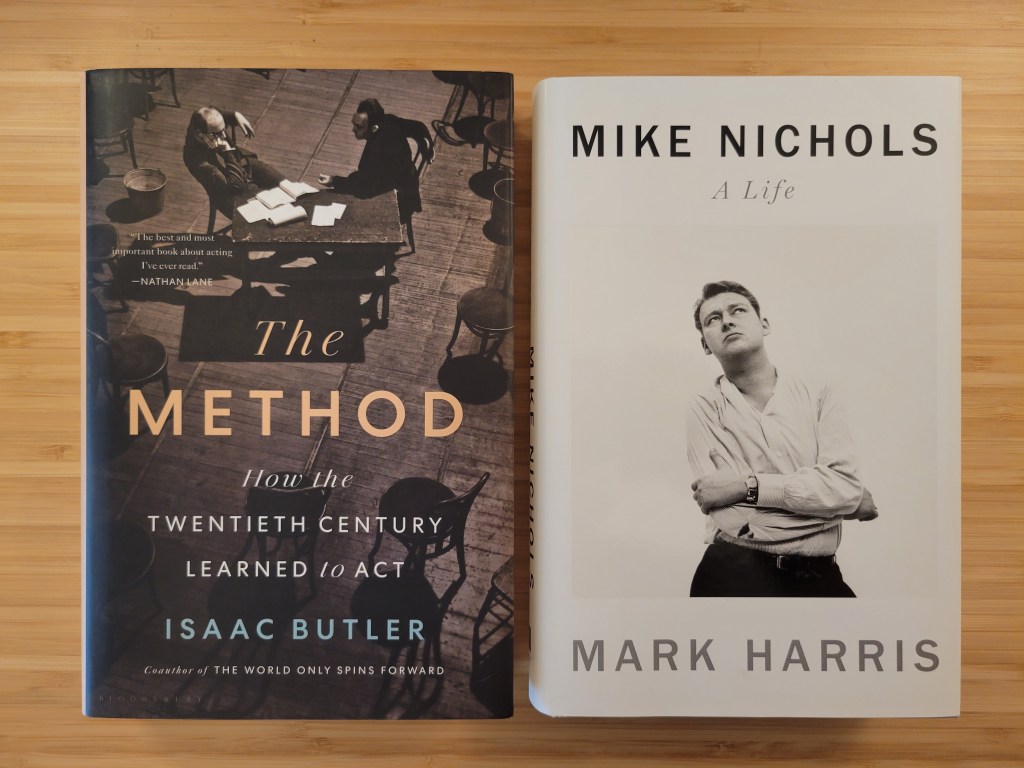
In the days before the internet, we had hard copy reference books, and I was a big fan of them. During the pandemic, I started rebuilding my collection with the help of the onl ine secondhand market (precisely what the internet was made for, in my opinion). My favorites were always movie and music reference books, and I cannot tell you how thrilling it was to find replacement copies of two favorite sources of Oscarhistory, Len Lyons’ guide to essential jazz albums (as of 1980), and John Kobal’s survey of the greatest movies ever made (as of 1988). Best of all was tracking down a new copy of Première magazine’s Guide to Movies on Video, featuring their terrific end-of-the-decade list of the best movies of the 1980s. I spent many hours poring over these again, and it was divine.
The pandemic was also the perfect excuse to double down on my love of hard copy media, specifically Criterion Blu-rays. I admittedly went a little nuts here: Do the Right Thing; sex, lies, and videotape; A Room With a View;Time Bandits; Local Hero; Matewan; The Adventures of Baron Munchausen – I bought them all, and many others. Totally in line with this blog’s mission, though, so I called it research. Also, the content, design, and packaging of all the Criterion editions is gorgeous and peerless. I love them.
Hard Copy Media
Speaking of Blu-rays, why stop at just Criterion? If I was going to stay at home indefinitely with limited movements in the outside world, then I was also going to go all in on the revival of my home video library. Kino Lorber, Warner Archives, and Amazon (of course) all helped me out here, and, again, I went a little overboard: The Verdict, Prizzi’s Honor, Time After Time, Victory, and Fandango, just to name a few. (Special thanks to my mother-in-law for the new copy of From Here to Eternity, and to my wife for the new copy of Richard Pryor Live on the Sunset Strip, both of which were perfectly timed gifts during the pandemic.)
I know: you’re about to remind me that streaming is too new to be truly considered back catalogue. To which I refer you to Francis Ford Coppola’s recent comments about streaming at this year’s Cannes Film Festival. Which is all just my way of saying that there were a lot of classic TV shows running in my living room thanks to the magic of the 21st century’s dominant rental and exhibition format. My wife and I watched all of M*A*S*H*, Taxi, St. Elsewhere, The Golden Girls, Murder, She Wrote, and The Odd Couple, along with many others – and we enjoyed the hell out of every single one of them. The streamers easily justify their own existence by giving us the ability to watch most classic TV shows on demand like this.
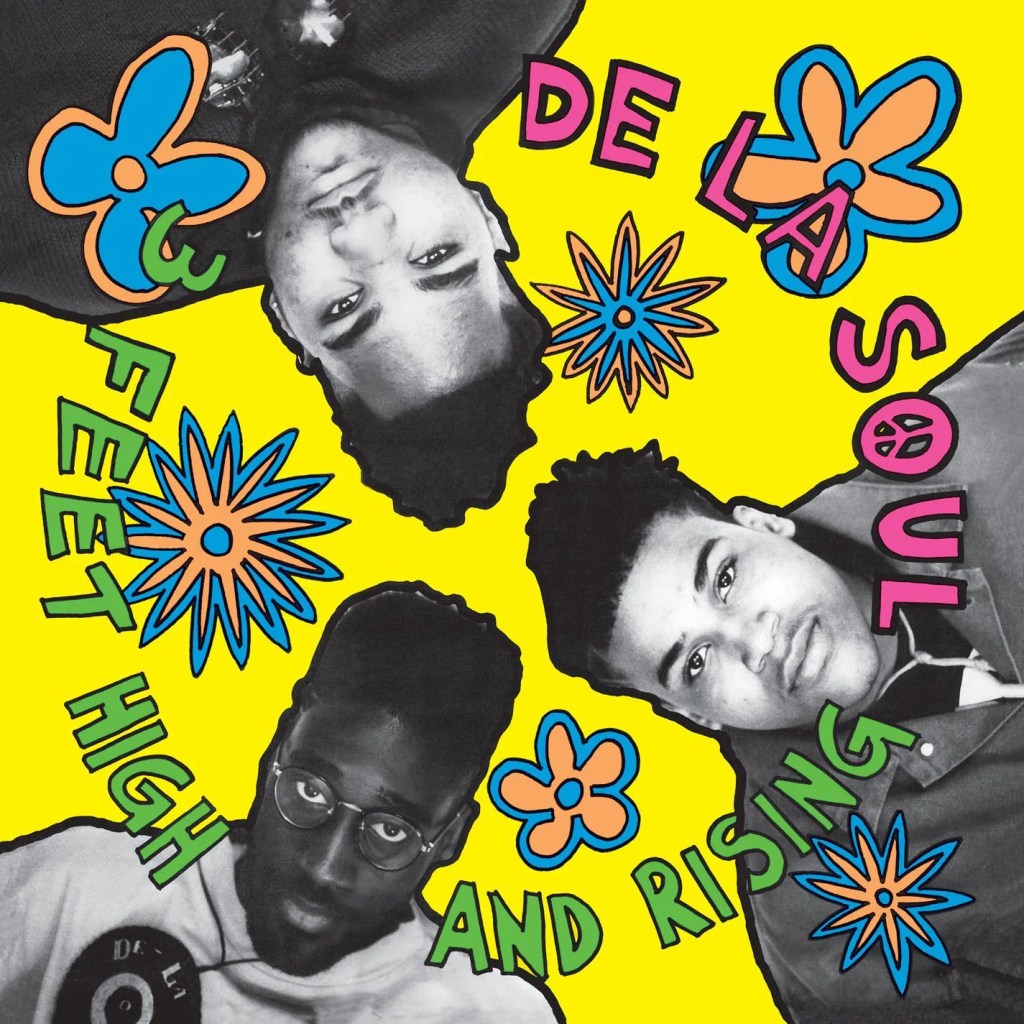
Speaking of streaming, the entire De La Soul catalogue finally hit the streaming platforms after a notoriously difficult and well-documented journey to get there. I’ve written about them before, back when it was uncertain that their discography would ever enter the modern digital world, and I’m glad that is now a moot point. We were well out of the dangerous part of the pandemic by the time this happened, but it was still a cause for celebration at my house the day these albums appeared on Spotify. 3 Feet High and Rising, De La Soul is Dead, and Buhloone Mindstate all went into heavy rotation for a couple of weeks, and they have remained staple listening over here ever since. Such a great gift to humanity as we all began to slowly emerge from our pandemic bunkers.
Did you know that, among Ebert’s prodigious bibliography, he published three volumes worth of reviews for movies he panned? And, boy, are they delicious. Nobody wrote a good takedown like he did. There is sarcasm galore here. Highlights include Ebert’s frequent invocation of the Gene Siskel test (“Is this movie more interesting than a documentary of the same actors having lunch?”), and his perfect takedown of Deuce Bigelow: European Gigolo. These volumes got my wife and I through many a trying evening during the pandemic (they are so good, I read them aloud to her). Funny, insightful, and mercifully free of pomposity and self-importance, Ebert reads like the friendly-but-opinionated regular at your local bar. He is a top shelf cinephile who speaks both for and to the people.
Live Concerts
By the middle of 2022, I was vaccinated enough (and feeling comfortable enough) to try my hand at attending live concerts again, and I was glad that I did. It was absolutely fantastic to see live music again, and I hope to never take that for granted again. During the first week of June that year, I saw both Tears for Fears (pictured above) and Midnight Oil within days of each other. The following year, my wife and I saw the San Francisco Symphony twice within three months: the first time on Valentine’s Day, featuring guest conductor John Williams (yes, that John Williams) and violin virtuoso Anne-Sophie Mutter; the second time featuring jazz legend Branford Marsalis. These shows were all fantastic, and great reminders for me that there is nothing else like seeing world class artists do their thing live in person. Being in the same room with that kind of talent and skill generates its own kind of special energy, and I have always found that inspiring.
Live Theater
There was also a return to attending live theater, which happened early in 2022 when my wife decided to jump into our local theater scene and start auditioning for shows. Since then, she has done everything from Shakespeare to Noel Coward to Agatha Christie to Frank Loesser, and I have seen every single one (spoiler alert: she is a rockstar). In addition to my wife’s emergence as a Bay Area theater superstar, I’ve also been able to see things, like A.C.T.’s production of A Strange Loop, the Broadway production of Back to the Future (pictured above), and Eddie Izzard’s Off-Broadway turn as Hamlet. Again, it was wonderful to be back in a dark room with total strangers having a shared communal experience, watching talented people cast their magic in person while doing so to serve the larger purpose of entertaining and enlightening the audience to the point of catharsis. I cannot tell you how glad I am that I stayed alive long enough to do that again.
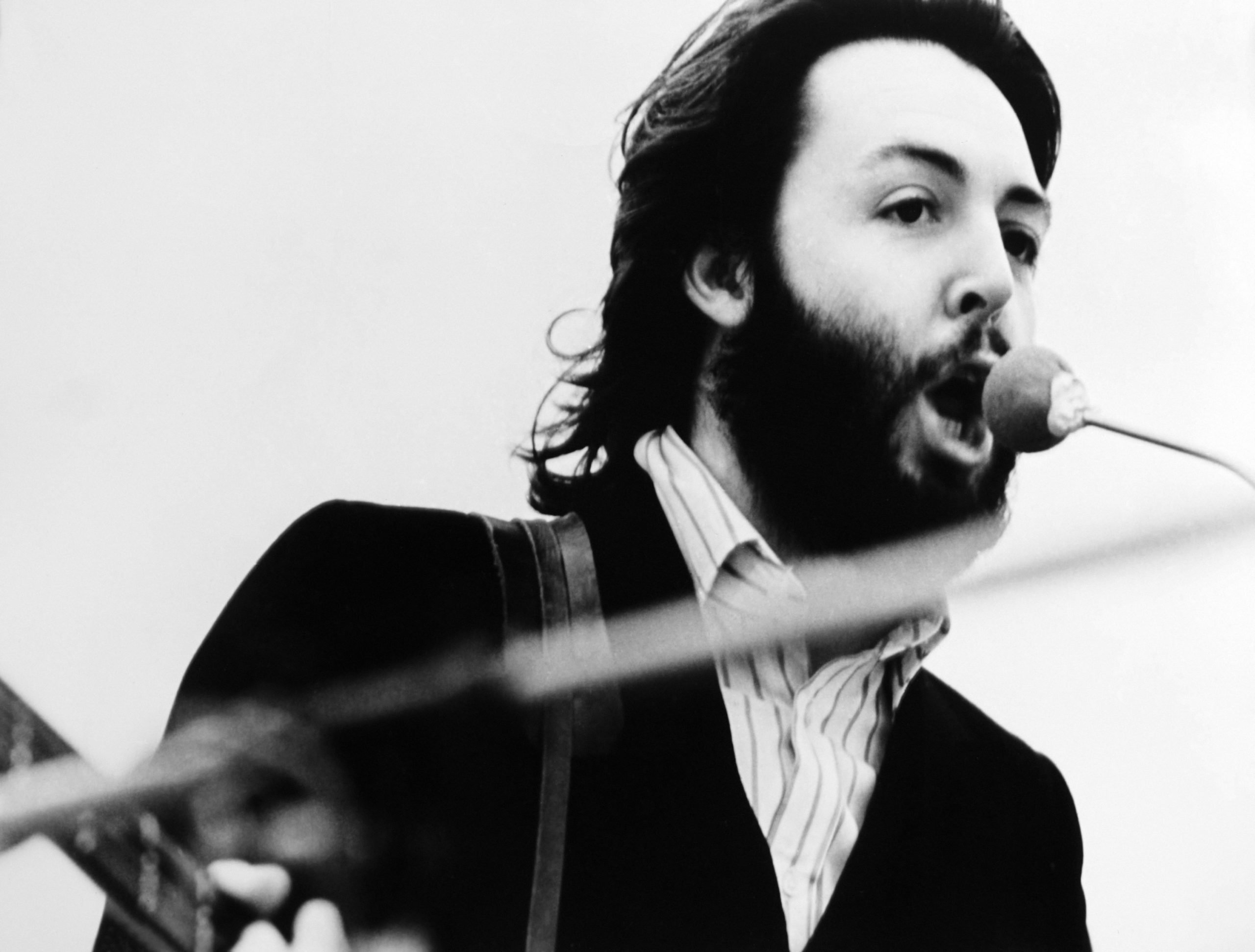
There’s a new Paul McCartney album out, which is always cause for celebration in my book. He’s my favorite Beatle, and has been from the start. Maybe that’s because I was introduced to both The Beatles and McCartney’s solo career at the same time, the summer between fifth and sixth grades, right when I turned eleven. That was also the summer I discovered MTV, and since McCartney was an early adopter of the music video, he was a constant presence on my television. The seismic impact that McCartney and the rest of the Fab Four made on my impressionable little adolescent brain that summer cannot be overstated, and likely deserves its own lengthy blog post. For now, though, let me just say that I will defend McCartney to the death. There are countless reasons why I love him, and many of them are incredibly well-stated right here thanks to British journalist Ian Leslie, so there’s no need for me to elaborate further on that front.
But, the release of a new McCartney album always gives me an excuse to re-visit some of the albums that I consider highlights of his extensive post-Beatles discography. These are the records I cue up whenever I want to listen to solo McCartney.
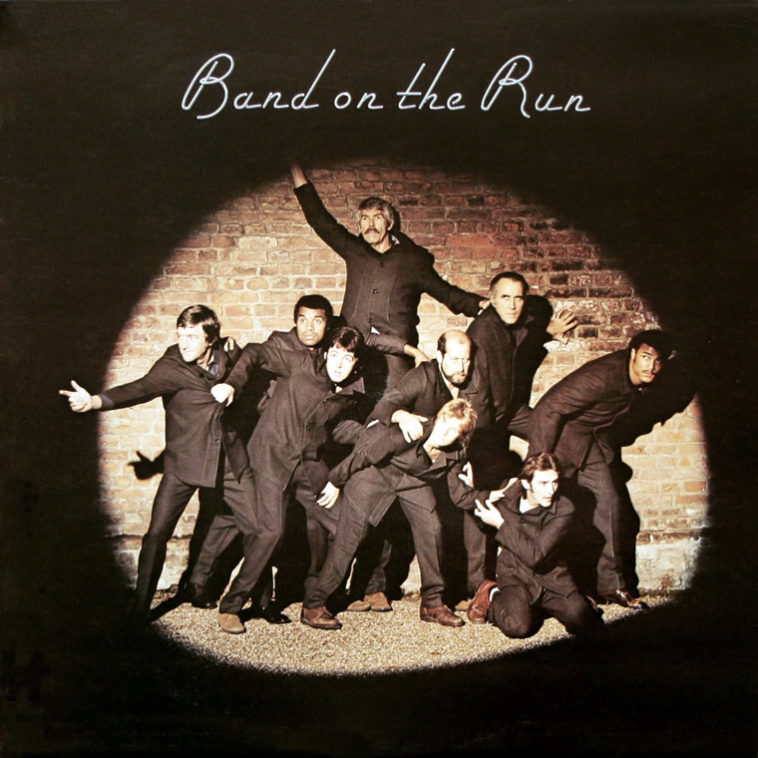
After severalspottyalbumsto start his post-Beatles career, this is the one where it all finally comes together. It’s a great album, in all respects. There’s no noodling here, only his patented top-notch songcraft, and a trio of instant classics: “Jet,”“Helen Wheels,” and the title track. This is kind of the perfect McCartney album, and if one were inclined to call it the best album of his solo career, it would be an easy choice to defend (that is, if you consider his tenure in Wings as part of his solo career, which I do).
A deeply underrated live album that features Wings at their commercial peak, and also features the best version of “Maybe I’m Amazed” you’ll hear anywhere. This album was originally issued as a triple LP, which means the running time is comparable to a full-length concert, and that turns out to be one its strengths. What you get here is basically an entire live show from one of the most popular bands of their era, and its a fantastic testament to how great a live act they were.
This was McCartney’s first album after the death of John Lennon, and he gathered reinforcements for it. The line-up includes Ringo Starr, legendary producer George Martin, McCartney’s old Wings bandmate Denny Laine, former 10cc guitarist Eric Stewart, jazz fusion bassist Stanley Clarke, and session drummer extraordinaire Steve Gadd. Carl Perkins shows up to sing a duet, and Stevie Wonder shows up to sing two (including “Ebony and Ivory,” which became a No. 1 hit single in the U.S. and beyond). The lingering influence of both Wings and The Beatles is evident in a good way, and the full spectrum of McCartney’s songwriting versatility is on display. He composes in a number of different styles, and still makes Tug of War feel like a unified whole. This isn’t an album that belongs to one genre or another, it has a genre all its own: McCartney-esque.
Nowadays, this one is probably most well-known for McCartney’s highly-publicized collaboration with Elvis Costello, a short-lived partnership that still yielded enough songs to fill outfivedifferentalbums across the span of nearly a decade. But, at the time, it was hailed as a welcome return to Beatles-esque form for McCartney, complete with a Top 40 single (“My Brave Face,” one of his Costello collaborations), and another small army of premier sidemen, like Pink Floyd guitarist David Gilmour, Pretenders guitarist Robbie McIntosh, and session pianist Nicky Hopkins. In retrospect, though, this is the album where we should’ve stopped thinking of McCartney solely as a rock-and-roller, because Flowers in the Dirt doesn’t rock very much. What it shows instead is that he’s is a composer of standards. There’s a reason he increasingly bills himself as the guy who wrote “Yesterday,” one of the most covered songs in the history of recorded music: because he’s a songwriter in the Tin Pan Alley vein, the kind who writes songs that stay with us over time, and are therefore elevated to classic, timeless status. We should talk about McCartney the way we talk about Irving Berlin, Rodgers & Hammerstein, and theGershwins, and this is the album where that becomes wonderfully obvious.
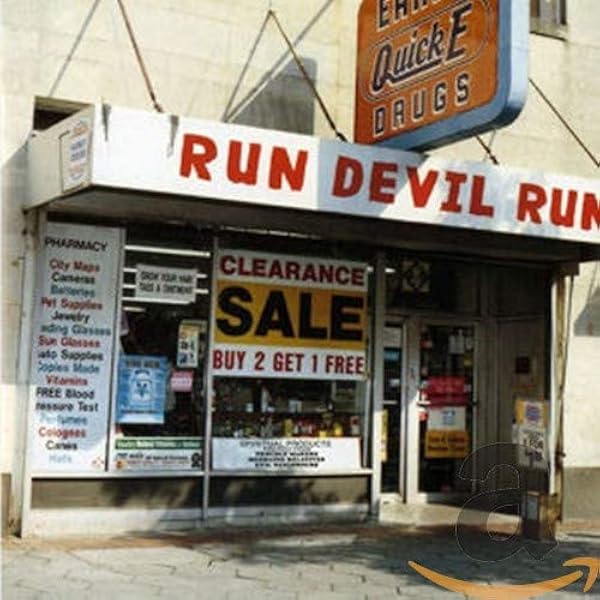
Following the death of his wife, Linda, McCartney made a surprising announcement: his next record would be an album of covers. What kind of grand artistic statement was that supposed to be in the face of such grief? Well, in retrospect, all I can say is: my bad. The resulting album, Run Devil Run, turned out to be the best kind of response to losing a spouse. McCartney goes back to the well here, steeping himself in the music he grew up listening to: Elvis, Gene Vincent, Carl Perkins, and Big Joe Turner are all represented here. And, by revisiting the songs that inspired him once upon a time, he turns Run Devil Run into a restorative act of healing. As the title indicates, McCartney has no more time for being in a funk. Whatever demons haunted him after Linda’s death are exorcised by this record. It’s a fun, bright, jubilant album, and McCartney sounds like he’s having a blast. As a bonus, he throws in three new originals, written in the 1950s style of the covers (all of which fit in beautifully). A joyful lark from start to finish, and a fitting remembrance of a happier time and place.
As my recent postshave hopefullybeen pointing out, the 1980s was a banner decade for music – and, 1988 was a particularly noteworthy year in that regard. It was one of those years that was so strong musically that it was impossible for me to pick only five albums to highlight. I had to pick ten, instead. And, I could’ve picked tencompletelydifferentalbums, and I still would’ve been right. That’s how good 1988 was.
Ergo, some longtime favorites of mine from the year in question. (I should note: these are not presented in order of preference or rank, nor have I done that with the other albums I’ve featured in this series. Ultimately, the order doesn’t matter. You, dear reader, will decide what place these records occupy in your heart.)
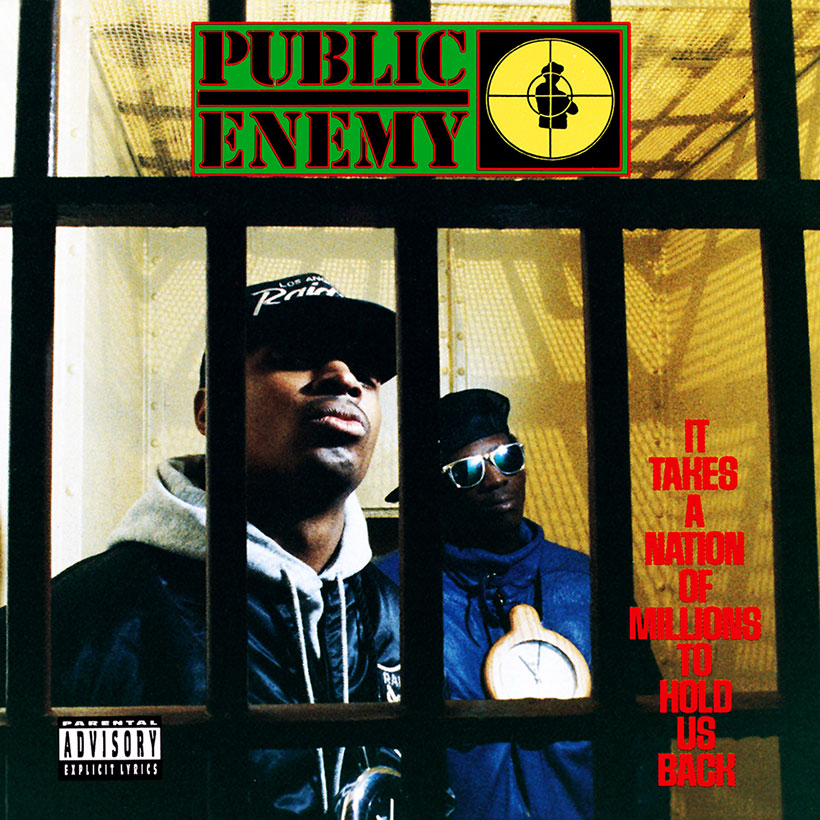
This might the toughest hip-hop album I’ve ever heard. The beats are hard, the soundscape of samples is relentless, and Chuck D delivers one of the fiercest vocal performances ever committed to record. I had no idea what to make of this album when it first came out, but repeat listens tuned me into its frequency: this is protest music, and one of the earliest and most visible bridges, in attitude, between rap and punk. Chuck said it best early on this record: “…the power is bold, the rhymes politically cold.” Bring the noise, indeed.
Rock meets folk meets traditional Irish music in a mashup that swerves and swoons and dances a jig or two. One of the things I love most about this album is how far it stands apart from dominant musical trends of the era. Fisherman’s Blues simply does its own thing and exists on its own plane, and transports the listener there. Imagine seeing this band play a gig in the middle of a pub near the Irish coast, and you’ll understand the vibe.
Jane’s Addiction was always a hard band to pin down. Who else did they sound like? Nobody and everybody. They had a little bit of punk in their sound, a little bit of hair metal, a little bit of prog rock, and a little bit of many other things. In retrospect, it’s easy to see that the biggest part of their sound was how much of it inspired countless other bands later on. In other words, Jane’s Addiction was a true original, and theirs was the sound of the future. Nothing’s Shocking remains a bracing testament to that.
Back in the day, it seemed as if Edie Brickell & Co. sprang onto the scene out of nowhere, and they cast a spell over my crowd in no time flat. They led with one of my favorite singles of the decade, the ubiquitous-at-the-time “What I Am,” which was a great introduction to their kind of hippie-dippy folk rock. This is a beautiful record, brimming over with sincerity, that should not be forgotten.
One of the hardest rock albums of the 1980s, full of crunchy riffs, and an astonishingly big sound, considering they did it with only three instruments and a singer. Corey Glover has never been a typical frontman, though: dude has a big sound all his own, and he goes gunning for the stratosphere on every track. Case in point: one of Vivid‘s best-known tracks, “Middle Man.” These funk metal pioneers created the sonic template for countless bands that came after them, and it all started with this album, which remains one of the best debuts of the decade.
Prince really did own the 1980s, didn’t he? He released a new album almost annually throughout the decade, most of them were good enough to be considered among the best of their respective years (to say the least), and all of them were wildly influential. Even though Lovesexy was considered one of Prince’s lesser efforts at the time, it still featured one of his most popular Top 10 singles, “Alphabet St.,” and future fan favorites like “Glam Slam” and “Anna Stesia.” Just a year removed from his landmark album, Sign o’ the Times, Prince loosens up a bit here, but sounds just as dynamic as ever.
Long before Björk became a universally shapeshifting polymath, she was the lead singer of the Icelandic alternative band The Sugarcubes. Thanks to her otherworldly vocals, the group made a smashing debut with Life’s Too Good, and set themselves up for worldwide notoriety. It may sound weird to some now hearing her front such a conventional (at least, for her) unit. But, when this album first came out, it was downright shocking, not just because of Björk’s extraordinary voice, but also because there was a band on Earth well-suited enough to support it. This is a legit alternative classic, and, to this day, there is still nothing that sounds even remotely like it.
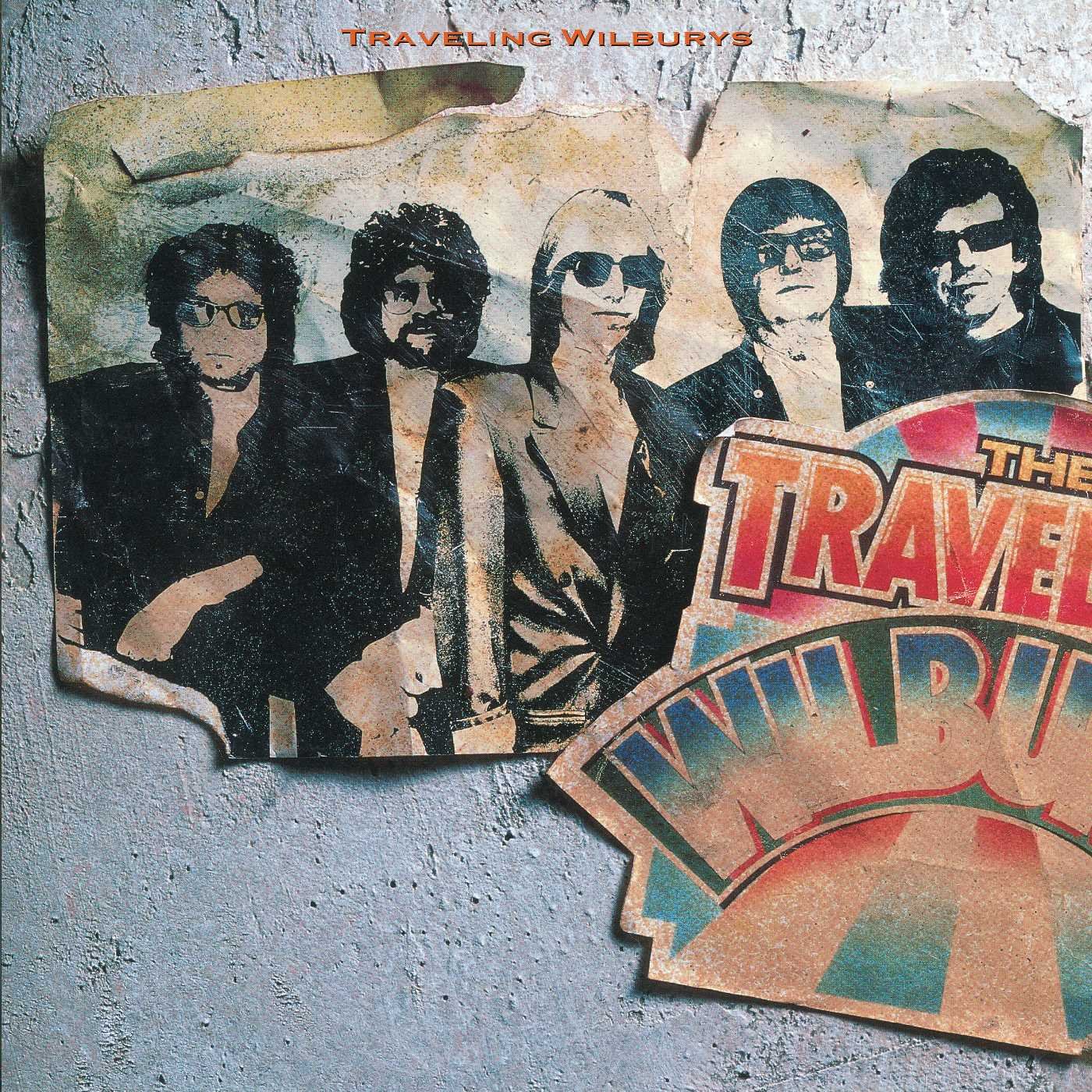
What do you get when you form a supergroup with four iconic rock stars and an acclaimed producer? One of the greatest larks in the history of popular music. In the late 1980s, Electric Light Orchestra frontman Jeff Lynne produced albums for George Harrison, Tom Petty, and Roy Orbison. In between, the four of them recruited Bob Dylan and teamed up for this record, a breezy, tongue-in-cheek caper in which they billed themselves as half-brothers from a family of traveling musicians. The vibe is loose, the skill level is high, and the result is an album where all five members get to play to their strengths while having more fun than it sounds like they’ve had in a while.
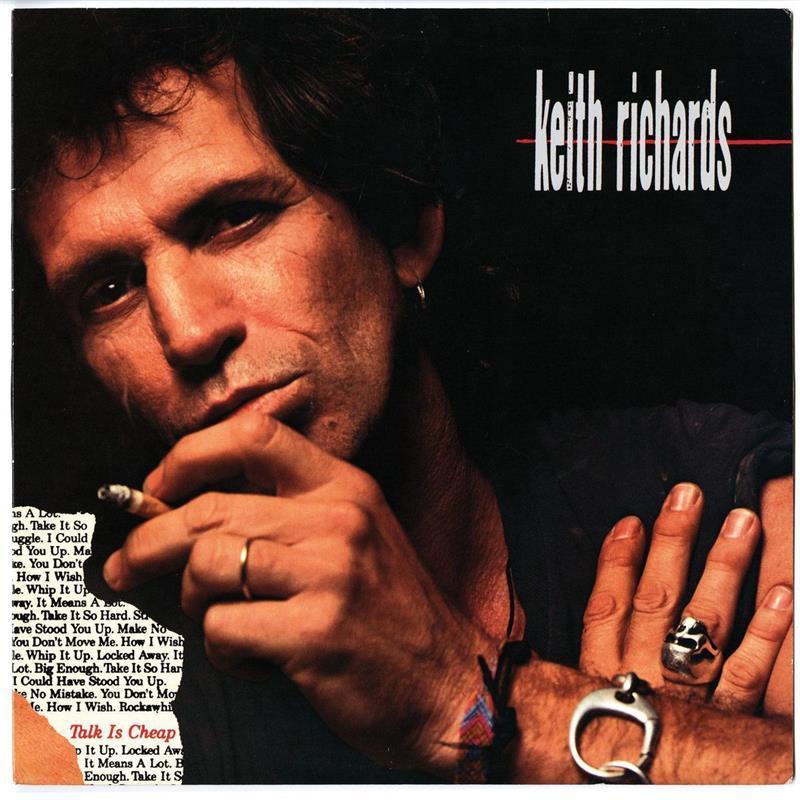
Back in the late 1980s, when Mick Jagger and Keith Richards were in the midst of professional feud that threatened to break up The Rolling Stones, Keith went off and finally recorded a solo album of his own (in response to the two solo records that Mick had already done). The result was one of the best de facto Stones albums of the decade, a loose, shaggy affair that revealed Keith to be the true heart of the band. Backed up by a roster of superstar session players (who later became the core of Keith’s solo band, The X-Pensive Winos), Talk is Cheap is heavy on grooves and tasty guitar licks, and captures Keith in a rare moment of really joyful musical carousing.
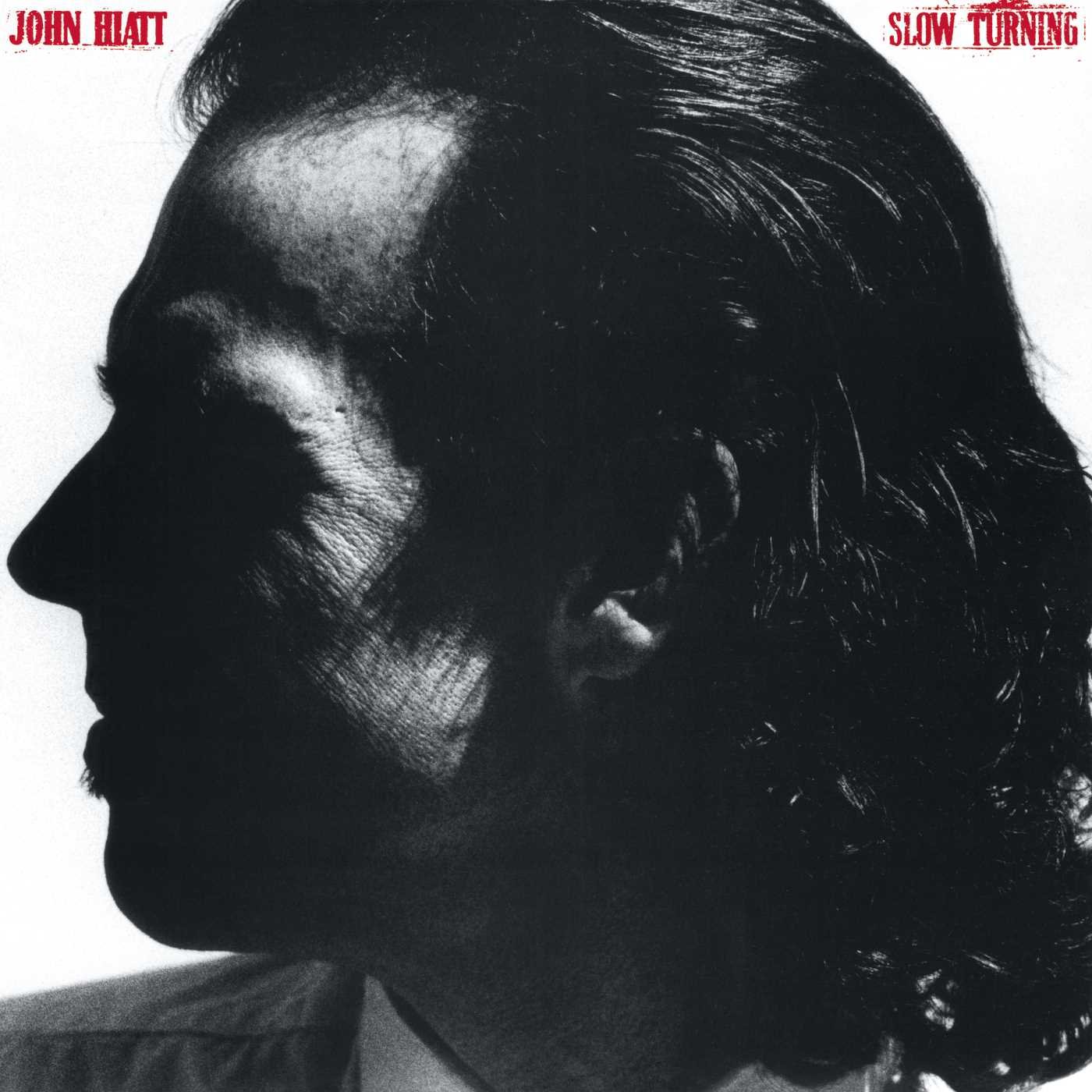
In which John Hiatt finally perfected his sound, after years of toiling as a music industry afterthought (and getting dropped by three record labels). The songs take center stage on Slow Turning, and they are terrific: full of wry humor, catchy melodies, and rowdy roots rock arrangements to fill them out. Hiatt cut this record with his touring band, The Goners, and they are remarkably in sync throughout: they twang and croon like country music pros on the ballads, and rumble like a souped-up 1950s Thunderbird on the uptempo numbers. This is the album where his “Nashville-Memphis fusion,” as Robert Christgau called it, finally hit its peak form.
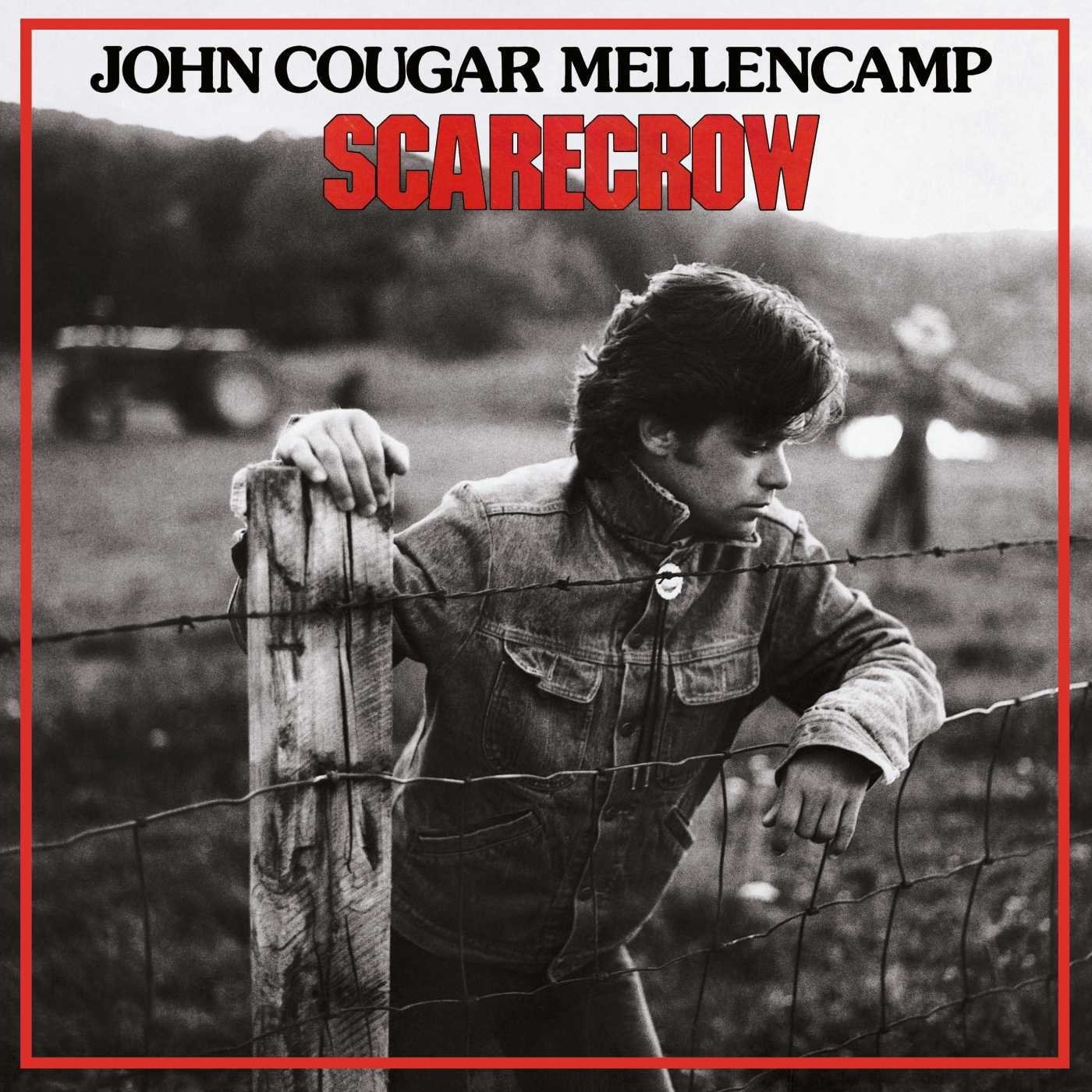
This is another one of those albums where just about every track could’ve been a single. The hooks are abundant, the vocals are tough and confident, and the band has never sounded better. Everything that’s great about Mellencamp’s recorded oeuvre – including his (at the time) burgeoning social conscience – coalesces into its peak form on this record. For me, it’s an all-time classic.
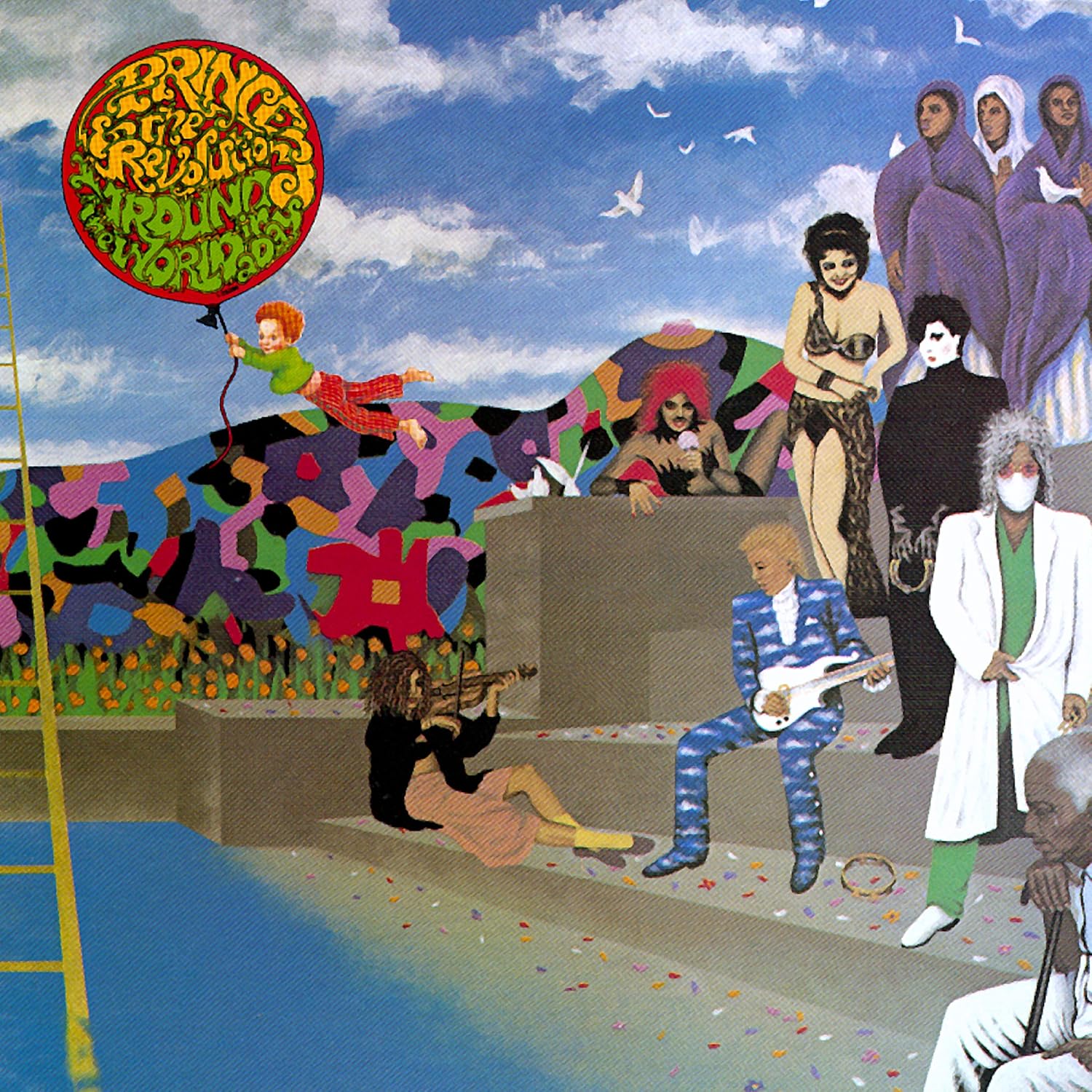
Full disclosure: this is a purely sentimental pick on my part, and I’m not going to defend it as one of the best albums of its year. It came out during my formative adolescent years, and it has a soft spot in my heart for many inexplicable teenage reasons. Objectively speaking, though, calling Around the World in a Day a transitional record for Prince would be putting it mildly. This was his bizarre, psychedelia-inspired follow-up to Purple Rain, and it confused the hell out of everyone because it was so willfully and aggressively unlike its predecessor. Considering what fans (like myself) had come to expect from The Purple One by that point, some of these songs could easily be called sub-par. But, Prince’s sub-par material was still better than a lot of other artists’ A-list best, and this album was a rebellious announcement to the world that there was more to His Royal Purpleness than “1999” and “Let’s Go Crazy.” Plus, it features my favorite Prince single of them all, the scrumptious “Raspberry Beret.”
This was the album where INXS’ brand of 1980s new wave got funkier and grittier. There are tasty hooks everywhere on this record, and the band sounds like they’re enjoying their newfound boldness. Listen Like Thieves clocks in at a lean, mean 37 minutes, and INXS make the most of that time: the album contains eleven songs, fourofwhichbecame Top 40 hits in the U.S. Think of them as Duran Duran with more guitars (which is a compliment, by the way), and you’ll get the idea.
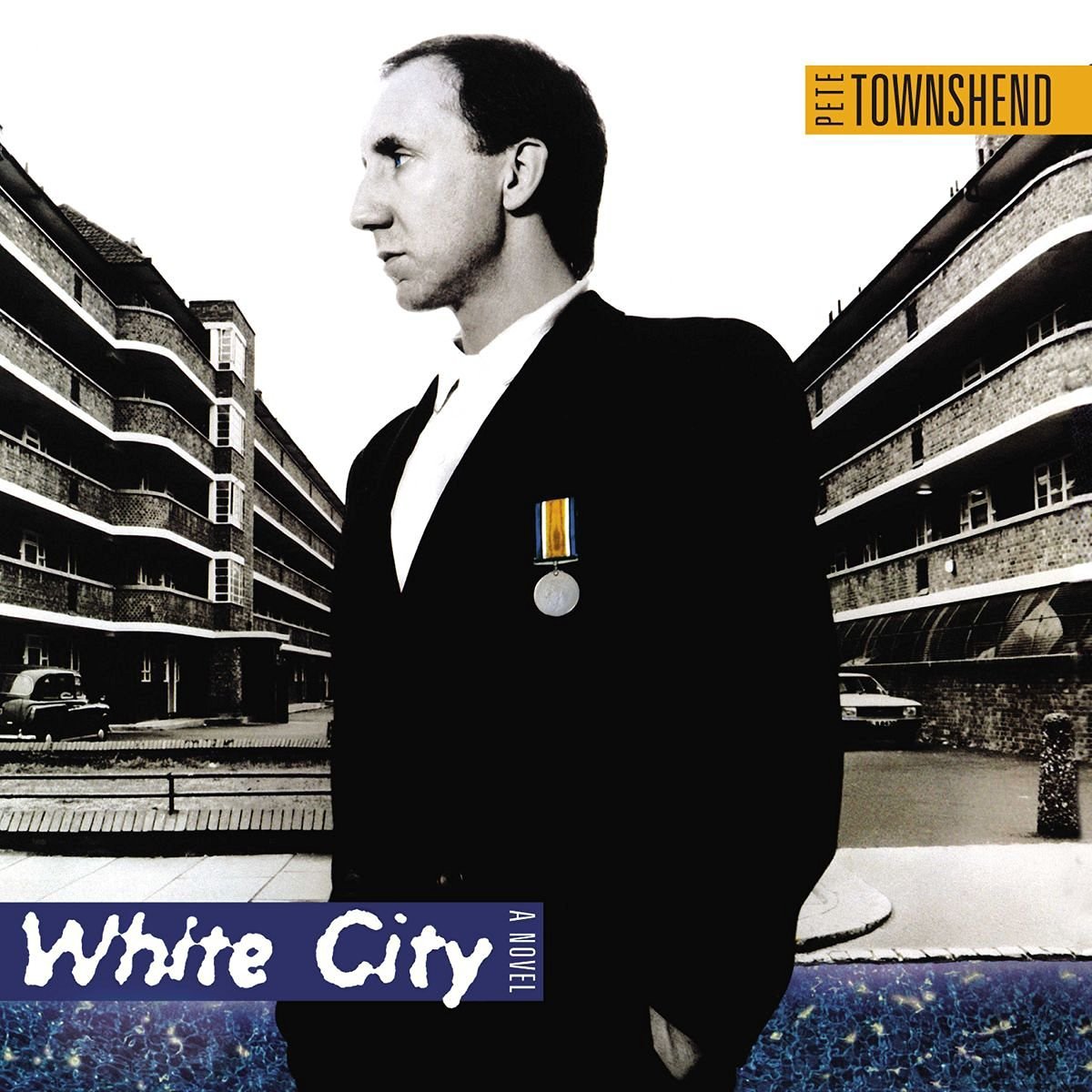
Pete Townshend spent most of the 1980s making solid solo albums, and this was one of his best. Anchored by an excellent studio band featuring none other than Pink Floyd‘s very own David Gilmour (who does a fabulous job here as Pete’s session guitarist), White City is full of bouncy earworms that show off Townshend’s still vital songwriting acumen. There’s a loose concept binding everything together (not surprising, since Pete wrote one of rock’s pioneeringconcept albums), but it doesn’t matter. The propulsive strength of tracks like “Face the Face” and “Give Blood” defy conceptual pigeonholing.
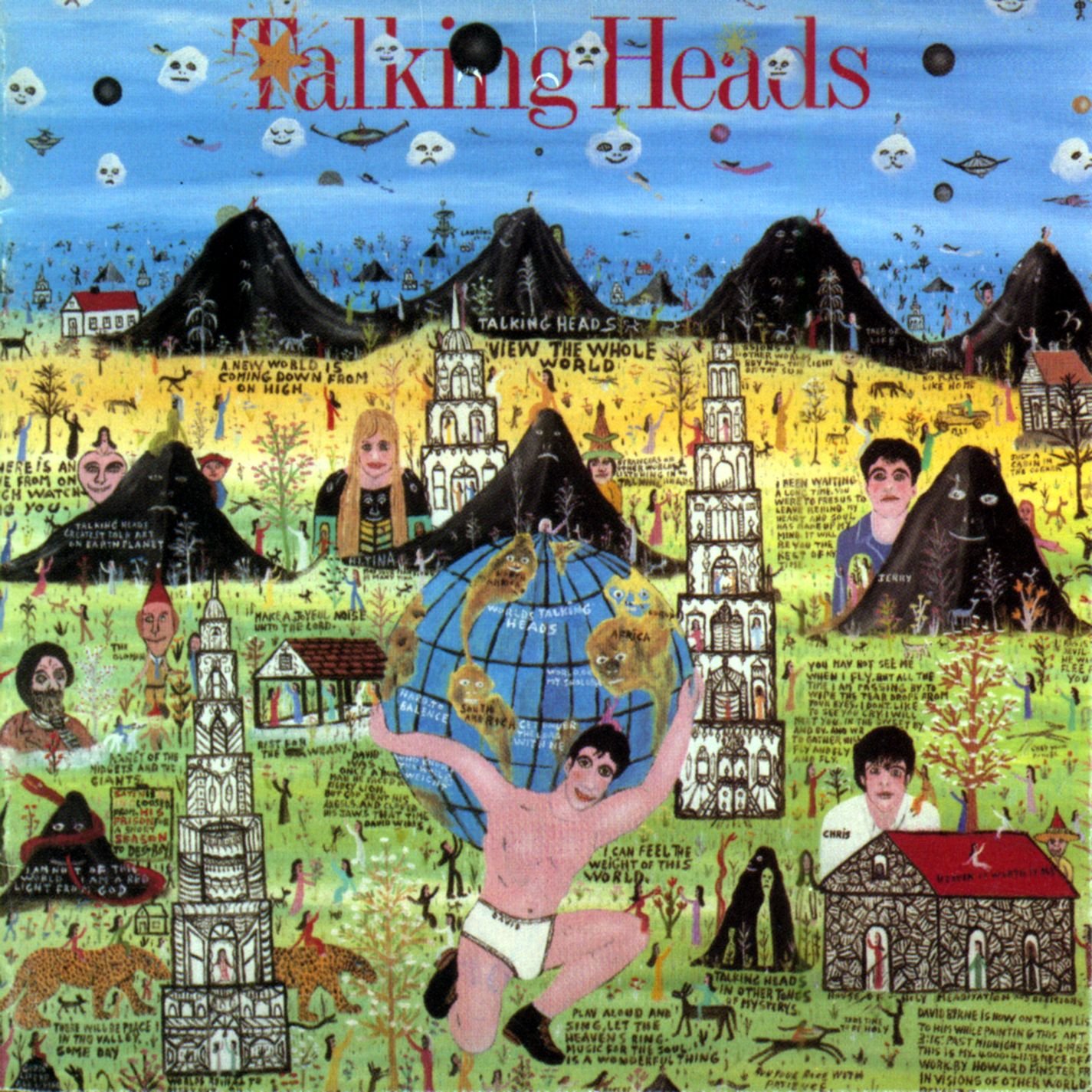
This might be the Heads’ most overlooked record, and also their most accessible. By 1985, they’d added the sheen of high-end studio production to their jangly, idiosyncratic sound, and gotten even better at writing hooks. Case in point: “And She Was,”“Stay Up Late,” and “Road to Nowhere,” the album’s trio of signature tracks, all of which became rock radio heavy rotation classics. Little Creatures is full of songs like those, that nestle themselves sneakily into one’s psyche. This album didn’t seem like much to me when I first heard it, but then I discovered I could hum the whole thing after listening to it only once. It’s a fun record that goes down easy, and rewards return visits.
“Reminiscing,” Little River Band: This is one of the yacht rock classics that takes me back to my childhood summer vacations in the Florida panhandle. For me, this is the sound of driving to the beach with my family on a ridiculously sunny day, and, for that reason alone, I will always love yacht rock.
“9 to 5,” Dolly Parton: Over the course of our marriage so far, my wife and I have discovered a couple of things. First, we can watch this movie anytime. It is eternally delightful. Secondly, we both really love Dolly. We will listen to any song of hers, and watch any movie of hers (And, we have.)
“Flash Light,” Parliament: One of my wife’s absolute favorite songs. It ends up on the playlist for every party we throw. We played it at our wedding. I’m guessing it will get played at our respective funerals. Basically, a song for all occasions.
“Here Come Those Tears Again,” Jackson Browne: A rare upbeat-sounding track from Browne that belies its pensive, melancholy lyrics. I’ve always loved his voice and the way he writes, and this is one of my favorites of his.
“The Mandalorian,” Ludwig Goransson: My wife and I were immediately taken with this show when it premiered last year, and especially with its soundtrack. I’m a longtime fan of film and television music, so it didn’t take any doing for this to enter my heavy rotation for a week or two.
“Stand Up,” Cynthia Erivo: Another catchy movie song, delivered with catchy conviction by Erivo. I couldn’t hear this one enough the day after I saw Harriet.
“Walking on a Thin Line,” Huey Lewis and the News: A rare moment of gravitas for this pack of Bay Area favorites. It’s not quite convincing, but it doesn’t really matter because everything else that’s great about them – catchy hooks, a tight rhythm section, and Huey’s smooth vocals – is on full display.
“If I Should Fall from Grace with God,” The Pogues: This raucous celebration of a song needs no explanation. But, if you do need one, just picture yourself and your mates listening to this while sharing a pitcher in your favorite pub. There you go.
“The Dicty Glide,” Don Byron:This album, Byron’s tribute to the work of the Raymond Scott Quintette, the John Kirby Sextet and Duke Ellington, became a favorite of mine when I worked at a record store during college. I played it in the store as often as I could, and it always made my shift go by faster (plus, I never failed to sell a copy or two).
“How Much Did You Get for Your Soul?,” The Pretenders: Slick, shiny, synth-tinged Pretenders still pack a punch. Chrissie Hynde’s patented snarl comes through no matter how studio musicians she surrounds herself with.
“The Chamber of 32 Doors,” Genesis: One day, I’ll write something extensive about how much I love this band. For now, though, I continue to marvel at how much their inherent pop sensibilities shine through the prog rock conventions of the mid-1970s. Mind-blowing to this day.
When my pal Mike B. put out his social media APB for listening suggestions earlier this month, he didn’t just want to know what the best album of 1987 was. Oh no, he took it a few steps further, and started canvassing his social circle for their musical opinions on several different years throughout that glorious decade known as the 1980s. Which, in turn, inspired me to do some listening and research of my own. Home quarantine was made for following wild, random impulses like these.
Again, I’m no expert. I’m just another dude on the internet with opinions and time to kill. Which means that now’s as good a moment as any to talk about a few more albums that I truly love. (They also seem to have passedthe testof timewith flying colors.)
There were a couple of years there during high school where one of my mother’s closest friends, Joan, would give all of the teenagers in her life the same Christmas gift: whatever album was hot that year. Graceland was her gift du jour back in 1986, and it was my first taste of world music. I could not have asked for a better introduction. Graceland was the ideal sum of its parts: an experienced tunesmith learning new tricks in conjunction with the perfect cultural and political moment. And yet, this album also completely transcends its historical origins, and it sort of did that right from the get-go. That’s why it became a classic: because it operates in both a time and a league of its own.
I’ve written about this one before, and could write a lot more about it. Suffice it to say, this album rocks hard, funks hard, and slams hard. Even for those of us who witnessed the ascendance of Madonna in real time, hearing a woman be this fierce on record was still a startling, refreshing shock back in the day. Plus, you could dance to it and hum the whole thing pretty much after only one listen. In many ways, a perfect album.
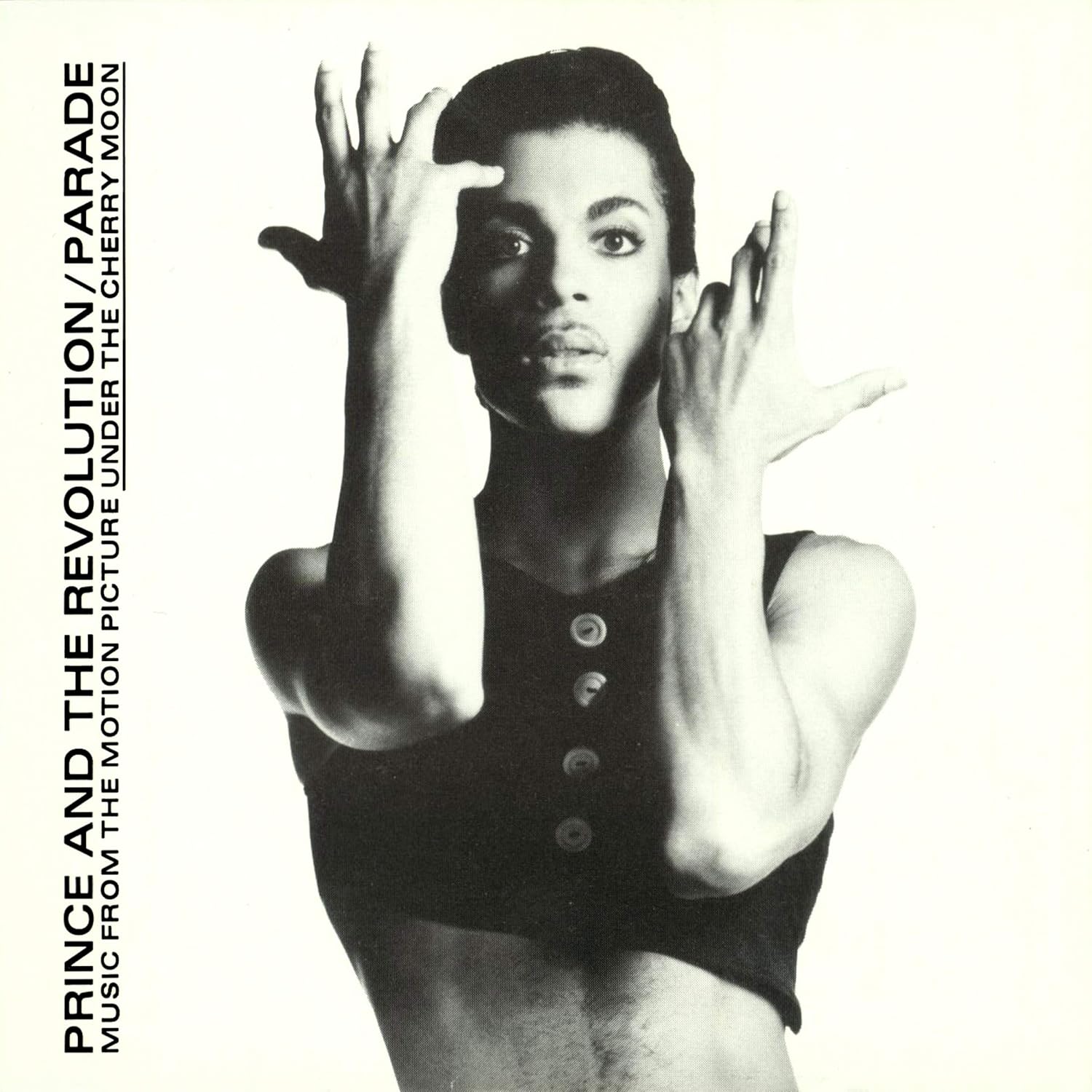
The 1980s were very good to Prince. Or, maybe, Prince was very good to the 1980s, perhaps more so than any other artist of that decade. It’s easy to overlook Parade, since The Purple One made several other epochal albums during that era. But, don’t fall asleep on this one. It’s a party from start to finish, anchored by a pair of strong singles – “Kiss” and “Mountains” – and a bunch of other tracks that became fan favorites. This is dazzling, kaleidoscopic fun that showcases my favorite purple genius in full control.
The one-off that time forgot, and that’s a shame because it’s terrific. Songwriters David Baerwald and David Ricketts teamed up for a one-time-only album that can be best described as L.A. by night. Their tales of “beautiful-loser mythology” (thank you, Robert Christgau) are fertile sonic territory for moody atmospherics and surprising hooks. Every song sounds like it should have its own video made up of people either drinking silently by themselves or driving through Los Angeles after dark in a convertible with the top down. And, I mean that as a compliment. This is a gem of a record that shouldn’t be overlooked.
There are so many things I could say about this album. It was the moment where XTC finally embraced their obsessions with The Beatles and 1960s psychedelia full on. It was also the moment where they settled comfortably into life as a studio band, and began trying new sounds, textures, and arrangements they knew they’d never have to play live (much like, ahem, The Beatles). It was the record where frontman Andy Partridge famously clashed with producer Todd Rundgren (another Beatles stan) behind the scenes. But, the end result was a dazzling song cycle that revealed an accomplished level of pop craft underneath the band’s new wave beginnings. Plus, it featured “Dear God,” a single that prompted one of the better pop music controversies of the decade. Well done, lads.
My friend Mike B. recently put out an APB on social media: he wanted to do a deep dive on the greatest albums of 1987, and asked for everyone he knew to weigh in on their favorites. 1987 was such a great year for music, in my opinion, and everyone who commented on that thread was right, no matter which albums they mentioned. That’s how strong a year it was, and it inspired me to revisit some my own favorites from that time.
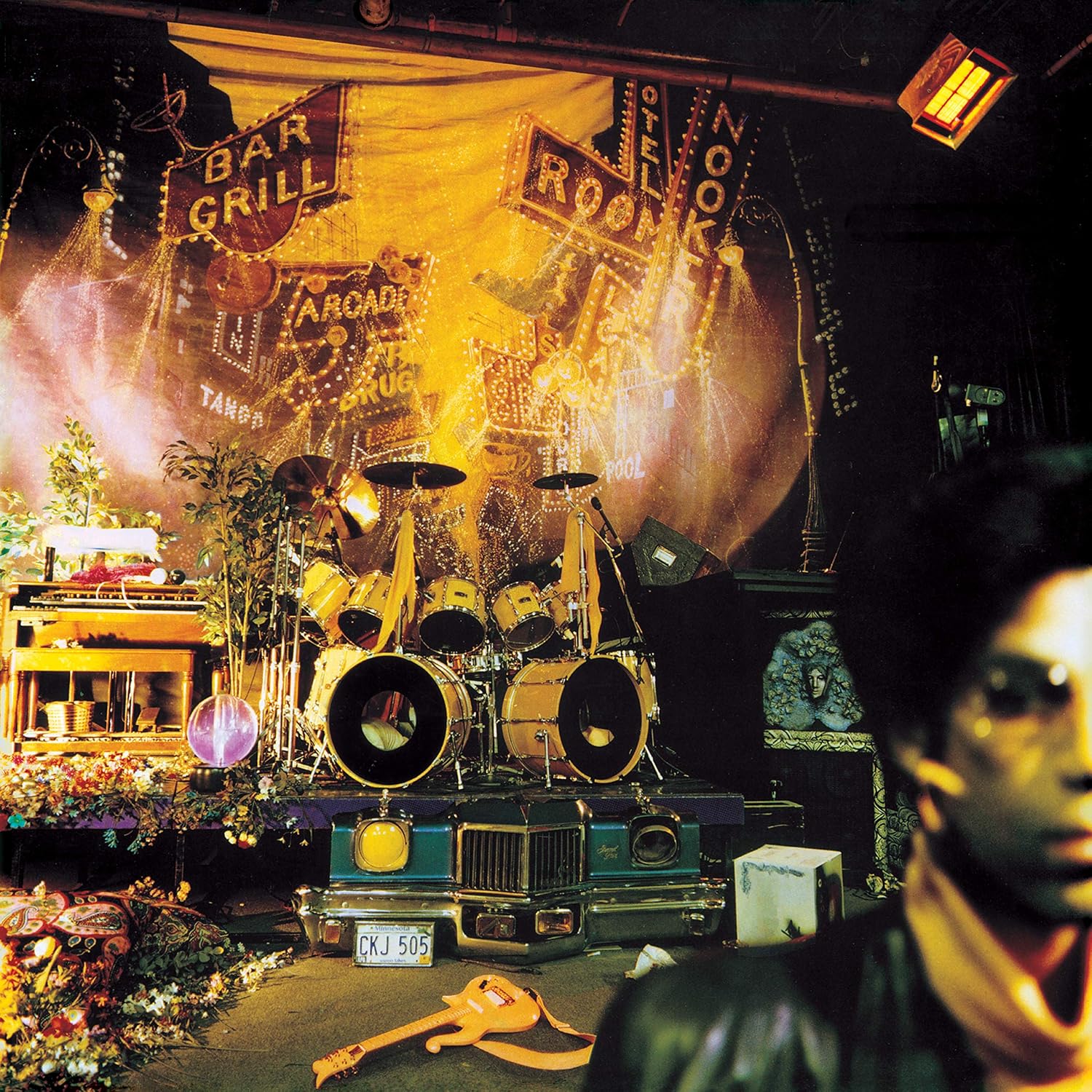
This one was a shocker when it came out, even for hardcore Prince fans like myself. In a decade where he kept upping the ante for himself on each record, how is it that Prince made the best album of his career after making the biggest album of his career? How is it that he released a double album that was even better than the double album he’d put out only five years earlier? Maybe the answer is just as simple as Robert Christgau’s sentiment that Sign o’ the Times was nothing less than “the most gifted pop musician of his generation proving what a motherfucker he is for two discs start to finish.” Amen.
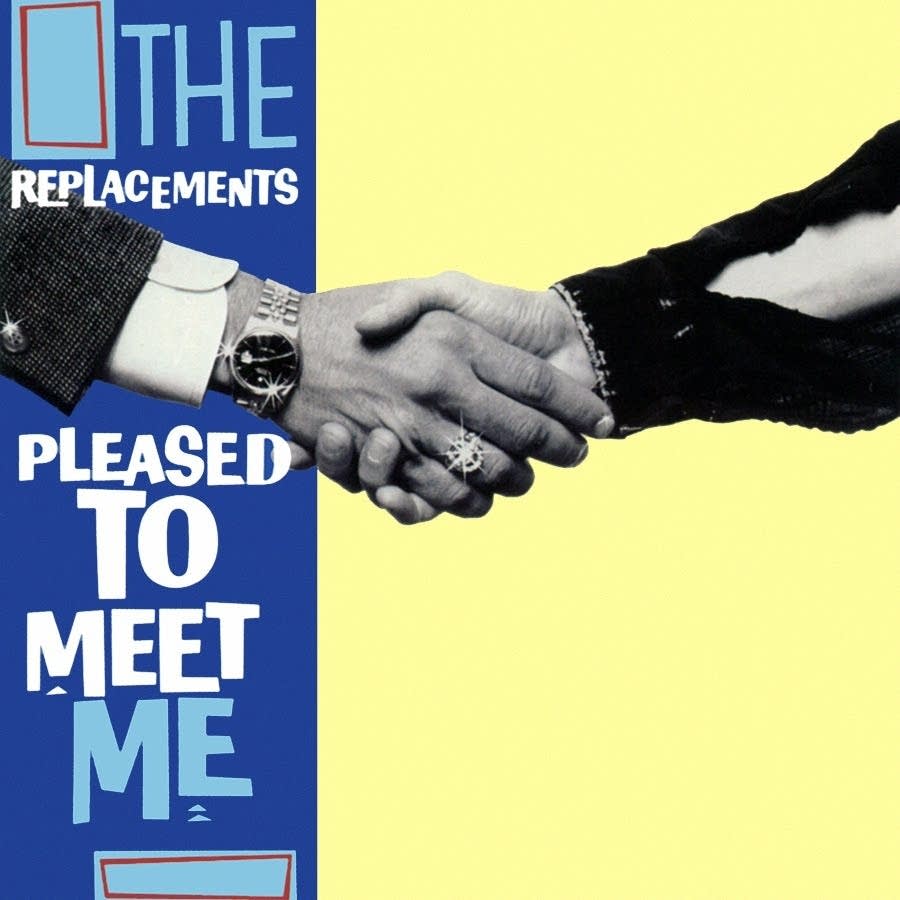
This was the album that introduced me to The Mats, and what a great introduction it was. In retrospect, this was the sound of a band going for the brass ring – except that we’re talking about a band that was always too scrappy, rowdy, and rough around the edges to ever fully achieve whatever popular mainstream success they were aiming for. In their hearts, they were an underground cult band, and this album showed the world what an underground cult band on the cusp of some measure of maturity could do when operating at full power.
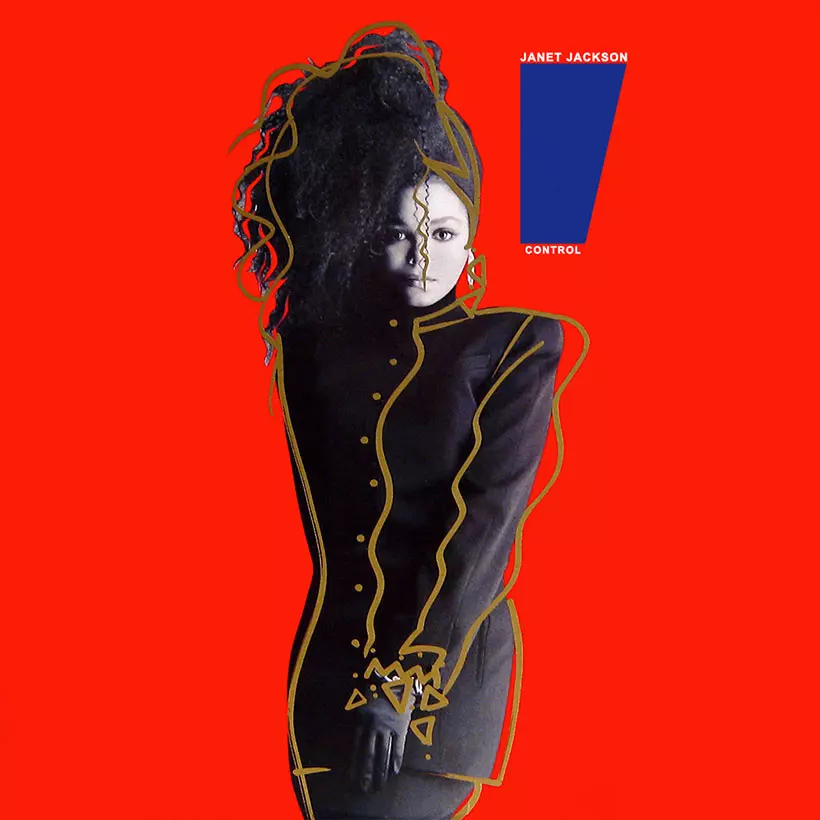
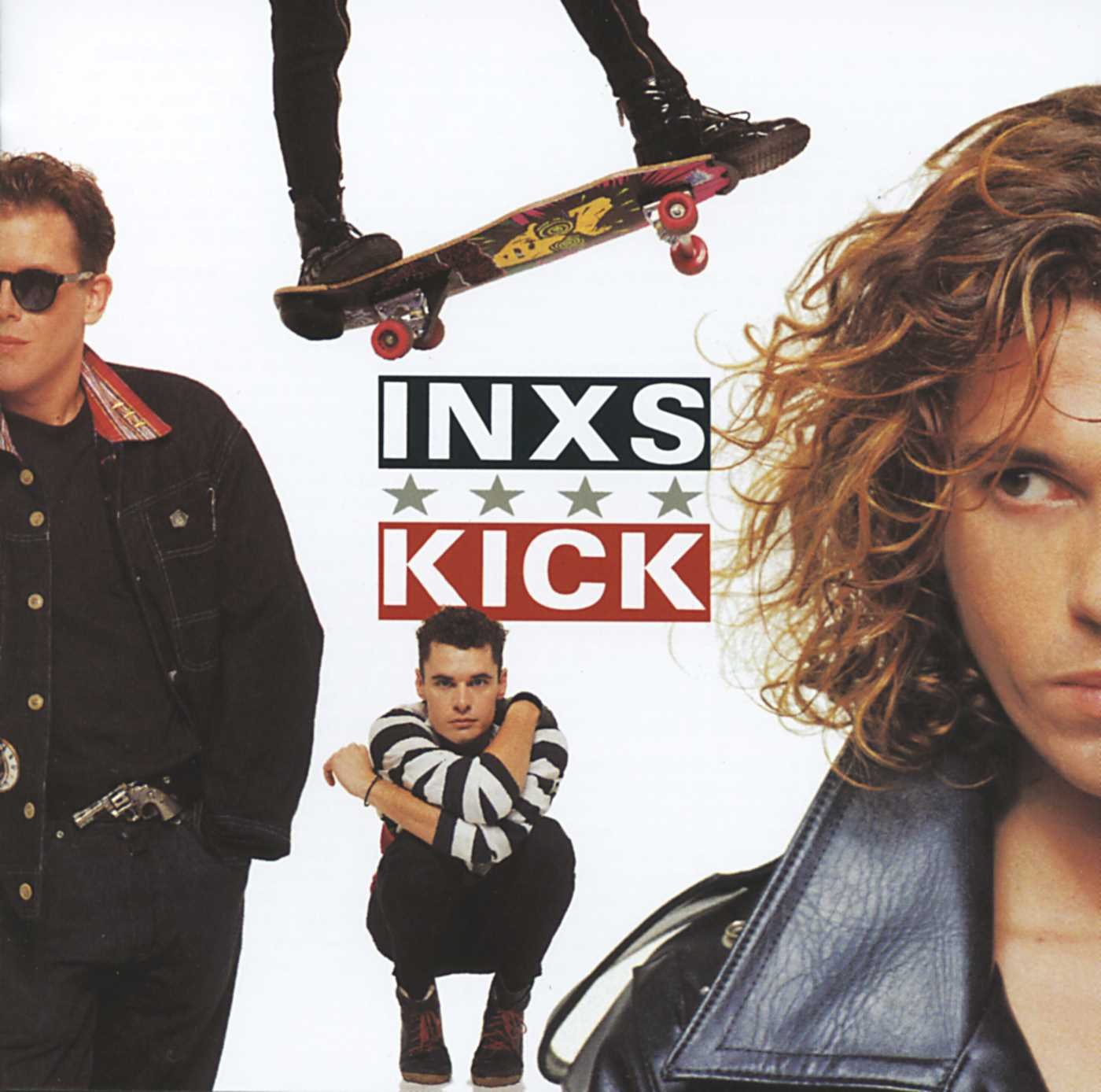
INXS built upon the new wave funk/rock sound they’d developed on their previous album, and came up with a record where every track could’ve been a single. Kick was one of those magically catchy albums where everything just worked, and it was a bona fide hit machine: five of its six singles went Top 5 on the U.S. Top 40. When put up against other mega-hit albums from that era – like Thriller, Control, Purple Rain, Born in the U.S.A., and pretty much everything Madonna and Whitney Houston did in the 1980s – Kick holds its own just fine.
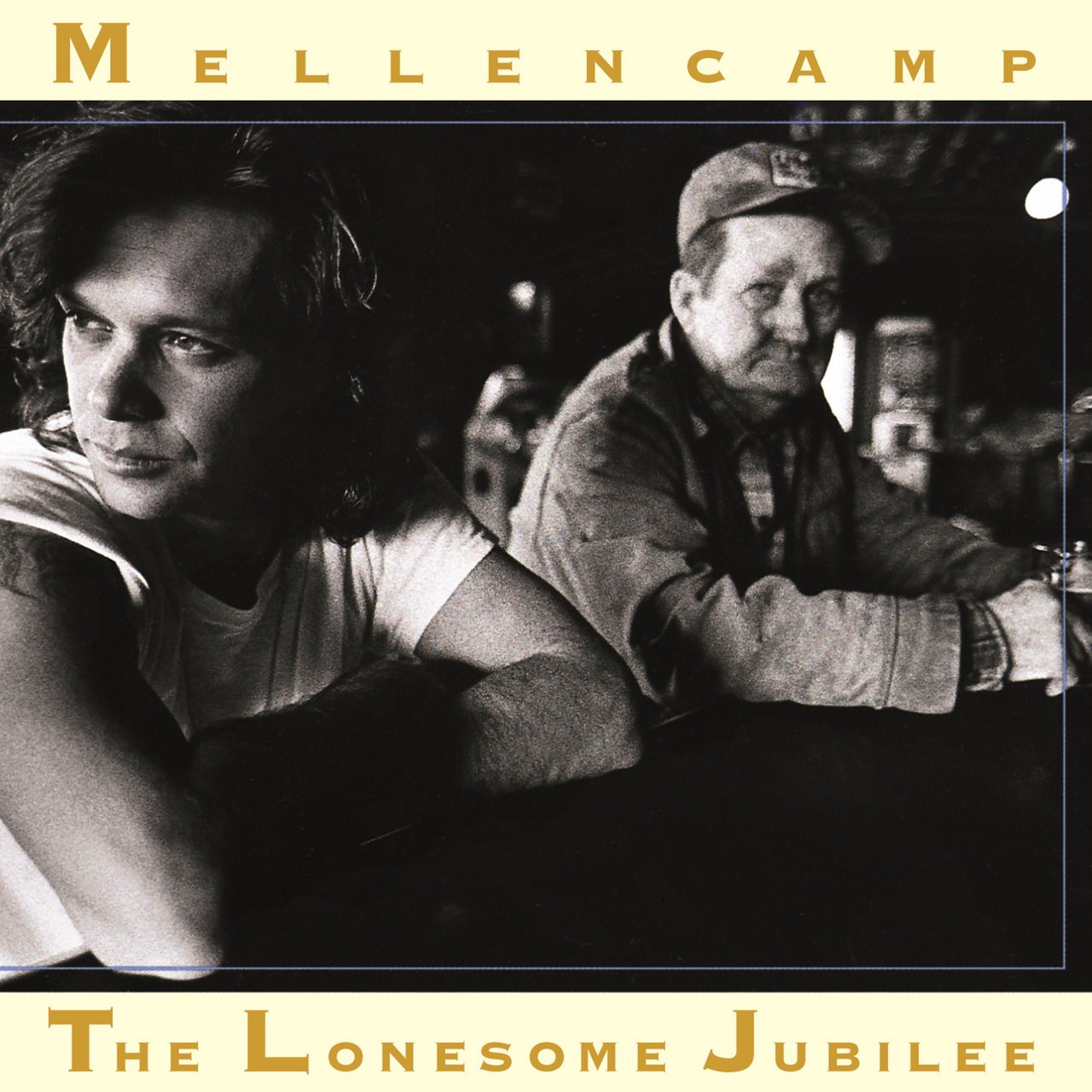
This was the first appearance of Mellencamp’s expanded band, featuring new additions Lisa Germano on fiddle, John Cascella on accordion, and backing vocalist Crystal Taliefero. All three opened up new musical avenues that hadn’t been available before to Mellencamp’s long-standing band, and their playing on The Lonesome Jubilee reflects how much they relished it. As for Mellencamp, the band’s new rootsy country folk sound gave him the chance to embrace the kind of songwriting he wanted to do: as he said in his 2016 Rock and Roll Hall of Fame exhibit, “I realized what I thought I wanted to say in song. …I wanted it to be more akin to Tennessee Williams, John Steinbeck, Faulkner, as opposed to The Rolling Stones or Bob Dylan.” This was where he really started wearing his social conscience on his sleeve, and it was a great fit for the toughness of his band. A fantastic album from start to finish.
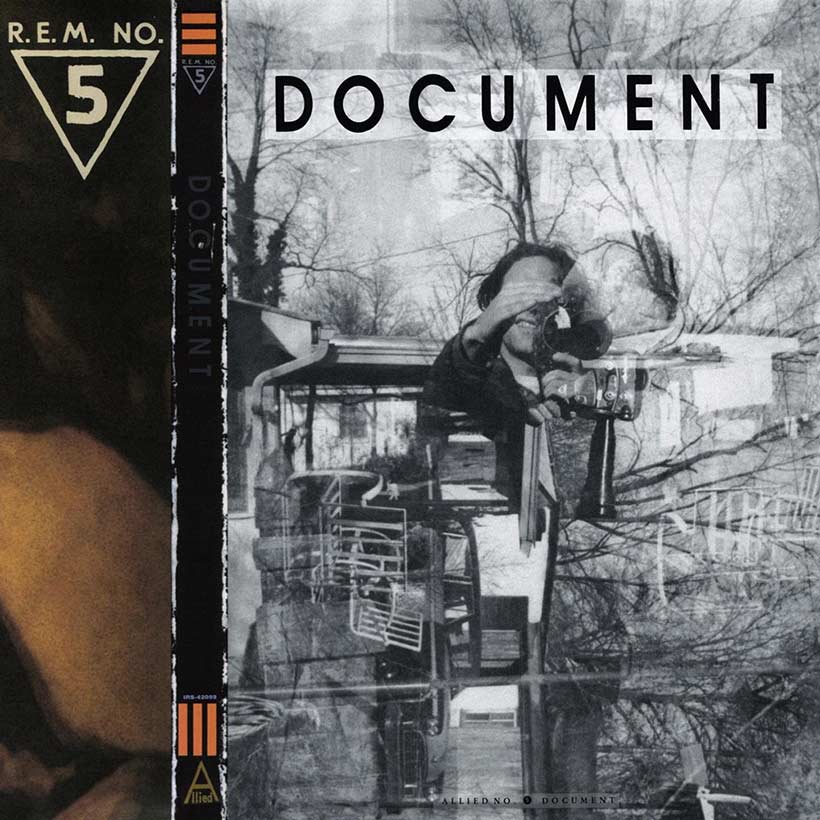
This was the first R.E.M. album I ever heard, and I knew right away what all the fuss was about. This was the sound of an indie band making a big time power move – and succeeding. They never rocked harder or more convincingly than they did on Document, which also featured their first Top 40 hit, “The One I Love,” and a future classic rock radio staple, “It’s the End of the World as We Knew It (And I Feel Fine).” This was obscure college rock made accessible for the masses without sacrificing an ounce of indie cred, and it helped usher in the mainstream takeover of alternative music. Perhaps more than any other album from that year, on both a musical and a historical level, Document was the sound of 1987.
Every day, I wake up humming a random song in my head. I have no idea why. That’s just the way my subconscious works. And, once I realized that this was a thing I did, I decided it would be interesting to keep track of these songs
So, I started building a Spotify playlist titled Daily Earworm.
I hadn’t listened to that playlist once since I started it over a year ago, but I still put stuff on there almost every day, and it’s over 13 hours long now.
So, this past week, I decided to finally give it a listen and remind myself what was on there, which has easily been one of the highlights of my home quarantine so far. Here’s a random sampling:
“Warning Sign,” Talking Heads: I first heard this on their live album, The Name of This Band is Talking Heads, but the version here is the original from their second album. This one slinks and moves like the live version, but is way more ominous and urgent. Could be the added studio polish, or it could be our current moment in time colliding with a song perfectly suited for it.
“What Goes On,” The Velvet Underground: Last month, I went through a few days where I was bummed out about the aftermath of Super Tuesday, for so many reasons, and the most effective emotional salve turned out to be listening to Lou Reed’s back catalogue. This was one of his tracks I rediscovered, a peppy little number that I always overlook because the idea of Lou Reed or The Velvets being this upbeat does not compute.
“Street Theory,” Van Morrison: A total throwaway that proves, once again, that Van can get good and funky when he wants to.
“It’s Not Where You Start, It’s Where You Finish,” Tommy Tune: It’s easy to see why Tommy Tune became a Broadway star. As is the case with the best Broadway cast albums (in this case, Seesaw), he does such a great job with this song – and the song itself works so well as a musical theater number – I feel like I can see his performance while listening to it.
“Absolute Zero,” Bruce Hornsby (featuring Jack DeJohnette): Another fascinating curiosity from Hornsby, whose facility with melody never fails to impress me, and whose melodies never fail to lodge themselves permanently in my brain.
“I Love Paris,” Frank Sinatra: I don’t actually remember waking up humming this one, but my wife was in Paris the week before our home quarantine started, so that must have been where this came from. Besides, one can never really have enough Sinatra on any playlist.
“Yakety Yak,” The Coasters: Another one I don’t recall waking up humming, but one can never really have enough early Top 40 rock and roll on any playlist.
“Hello, Dolly!” Mary Martin: The morning after I saw the most recent national tour, it was this version of this iconic title song that I wanted to hear. No idea why.
“Teacher, Teacher,” Rockpile: A gem from the early 1980s rockabilly revival. The perfect gateway drug for going down a Nick Lowe / Dave Edmunds rabbit hole.
“Long Time,” The Roots: This went on heavy rotation the day after my wife and I saw them live in Oakland last fall. This earworm is stealthy as a mofo.
“High Flying, Adored,” Patti LuPone & Mandy Patinkin: I didn’t realize I had so many show tunes on this playlist. And, of all the tracks I could’ve picked from the Evita cast album, why did I pick this one? Does it matter? My subconscious is a mysterious place, but Patti and Mandy are always justified.






![Review] Wings Over America (1976) - Progrography](https://progrography.com/wp-content/uploads/2019/05/wingsoveramerica.jpg)
:format(jpeg):mode_rgb():quality(90)/discogs-images/R-499964-1277890217.jpeg.jpg)


:format(jpeg):mode_rgb():quality(90)/discogs-images/R-385196-1437564773-6349.jpeg.jpg)


:format(jpeg):mode_rgb():quality(90)/discogs-images/R-3973912-1511237071-5912.jpeg.jpg)
:format(jpeg):mode_rgb():quality(90)/discogs-images/R-745229-1481752948-3777.png.jpg)


:format(jpeg):mode_rgb():quality(90)/discogs-images/R-5950052-1407162583-5162.jpeg.jpg)

 Strictly Back Catalogue